Backend server
Built and waiting for the mobile app to connect to it.
Built

British Council IAU ASCEND Programme · Abuja, Nigeria
Solar-powered off-grid cold chain for fresh fruits and vegetables.
 Discover our
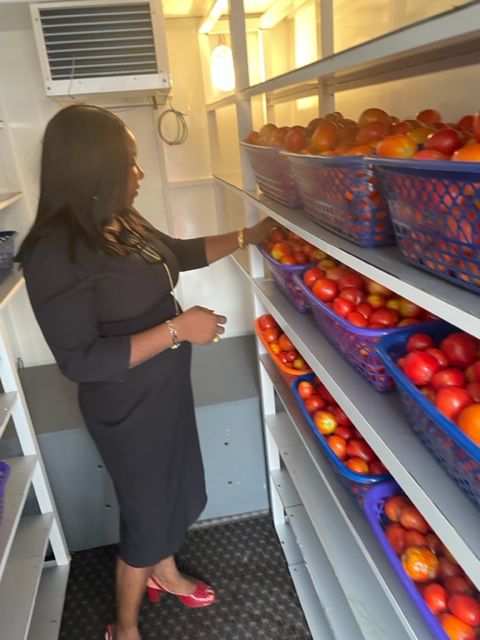
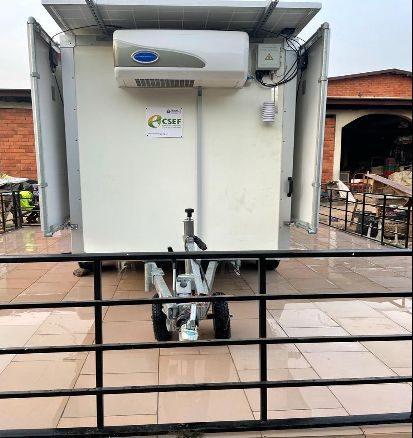
SOLTECH Hub is a mobile, off-grid cold room built by Netune Atlantic Ltd and developed with five students from the University of Abuja Sustainable Development Centre. It gives smallholder farmers, traders and market women 24-hour cold storage, so less produce spoils before it sells.
Our partners, and some of the 8 stakeholder groups we have pitched to



Also pitched: Coordinator of the Special Agro-Industrial Processing Zones (SAPZ) Programme · FCT Municipal Council, Abuja Investment & Property Company · Dei-Dei, Maitama, Gudu, Kuje and Wuye market associations · Nasarawa State Economic Empowerment Scheme Advisor · Extension Africa Agri Business
Technology Readiness Level
SOLTECH is at the Minimum Viable Product stage. The ASCEND programme is taking it towards commercial deployment.
Built and waiting for the mobile app to connect to it.
BuiltThe AI-enhanced SOLTECH platform, in development with a software partner.
In developmentSensor hardware being assembled for installation in the cold room.
AssemblingSensors that send cold room temperature data remotely, so the team can monitor storage conditions from anywhere.
In developmentCampaigns Work on Progress across several platforms to raise awareness.
Work on ProgressThe app is due to be ready in November, then published to both stores.
Due NovemberCustomers already use the Hub around the clock, and 14 more market women are ready to join.
OperatingA sensor unit mounted inside the cold room records temperature, humidity, battery level and solar input every 20 minutes and sends each reading to an online dashboard. The team can see storage conditions from anywhere and act before produce is at risk.
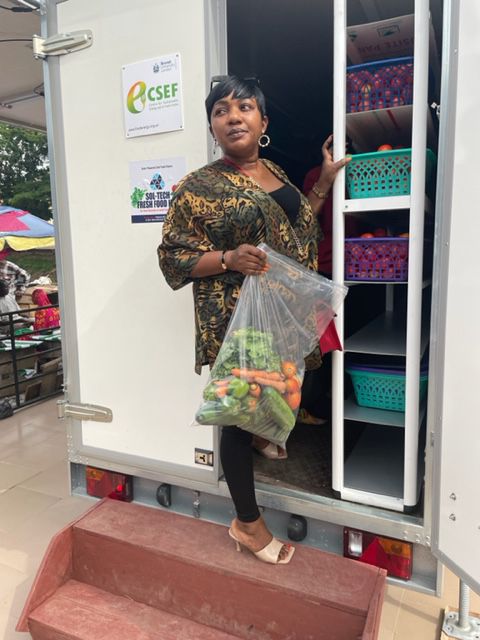
Tomatoes and leafy vegetables spoil fast in Abuja's heat, and most small traders have no reliable power. SOLTECH runs entirely on solar, so a trader can keep produce cold overnight and sell it the next day instead of discounting it or throwing it away.
Our first agreement with Garki Market covered storage for traders (B2B). The market leadership has now backed a second line: fresh-food delivery straight to customers (B2C).
Get in touch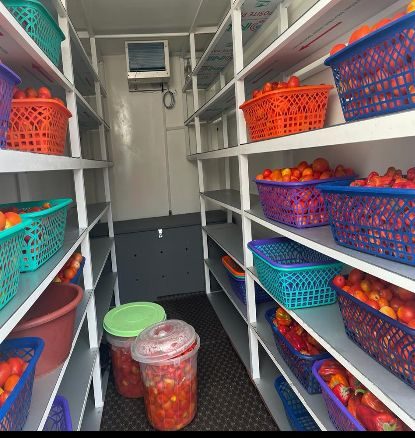
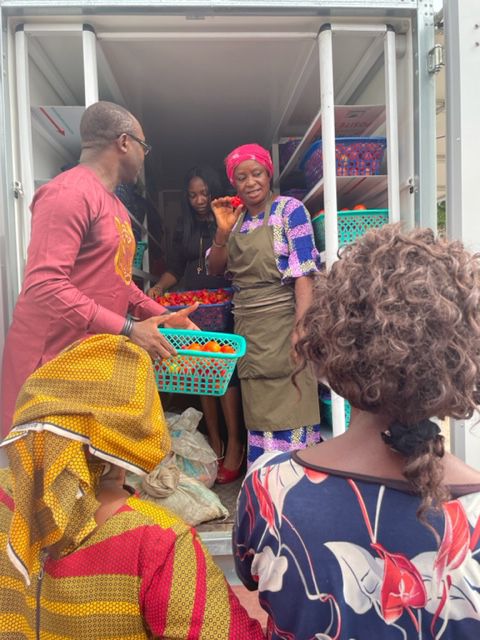
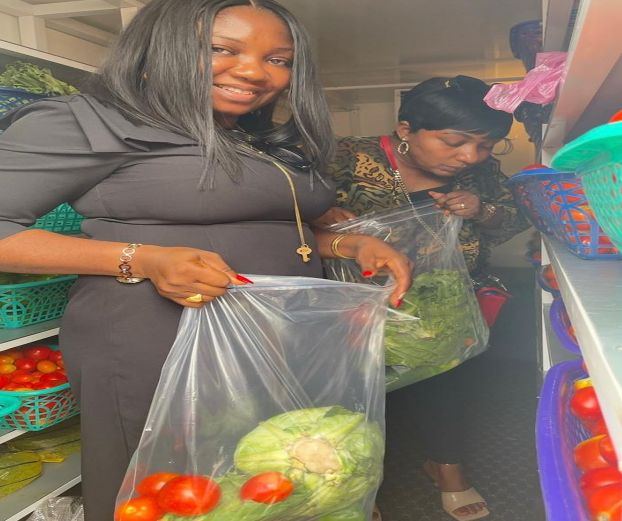
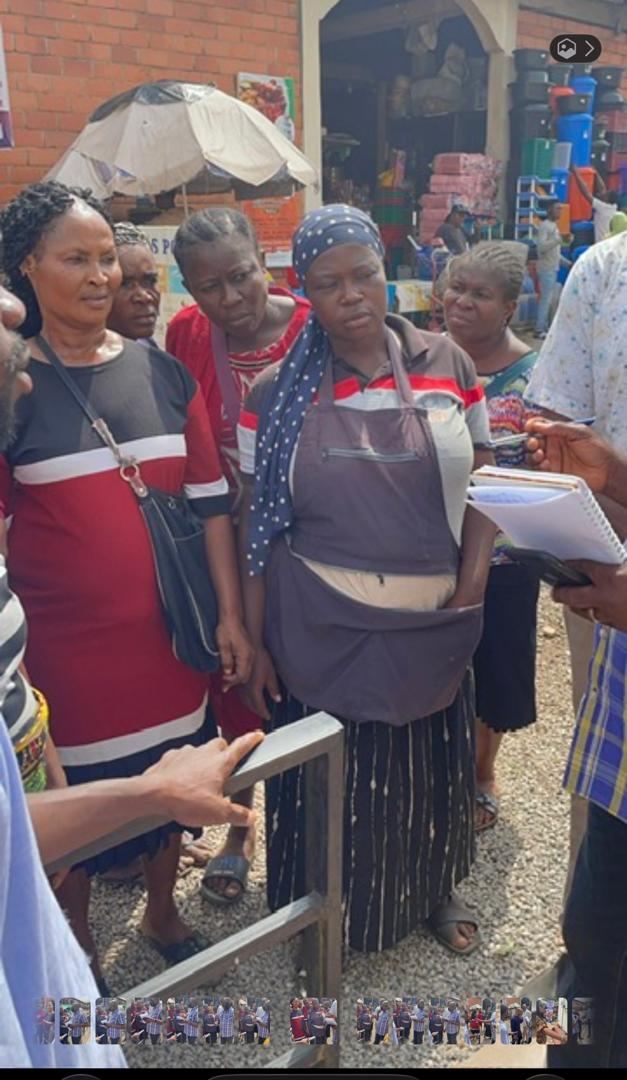
We met the market leadership, explained the project and applied what ASCEND taught us: find the pain point, create demand, and offer a solution that grows sales. They have now backed our B2C food-delivery service as well as storage for traders.
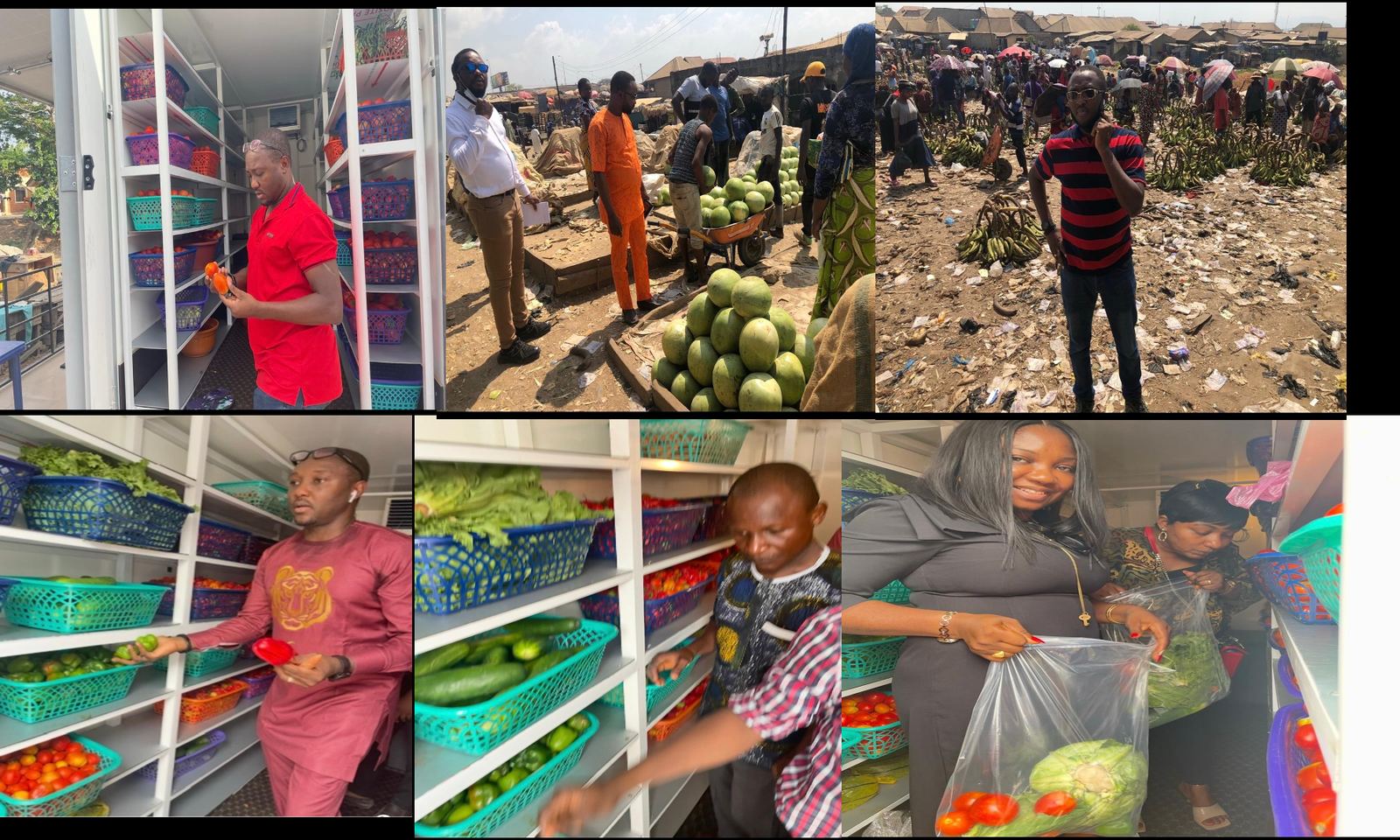
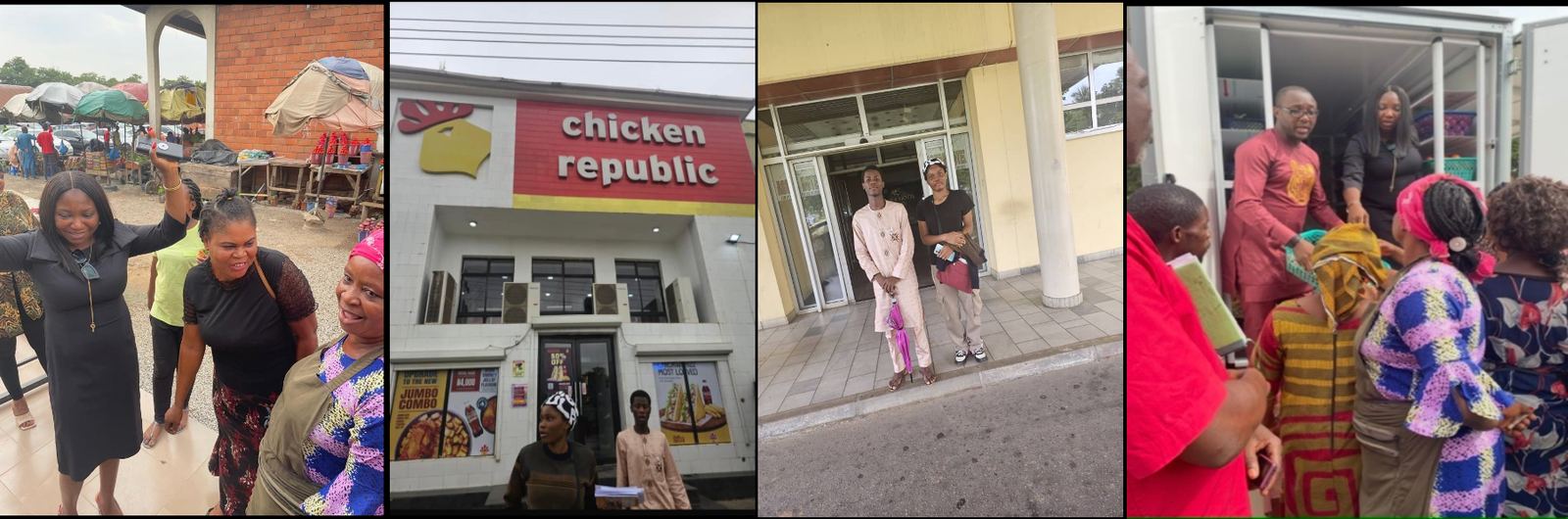
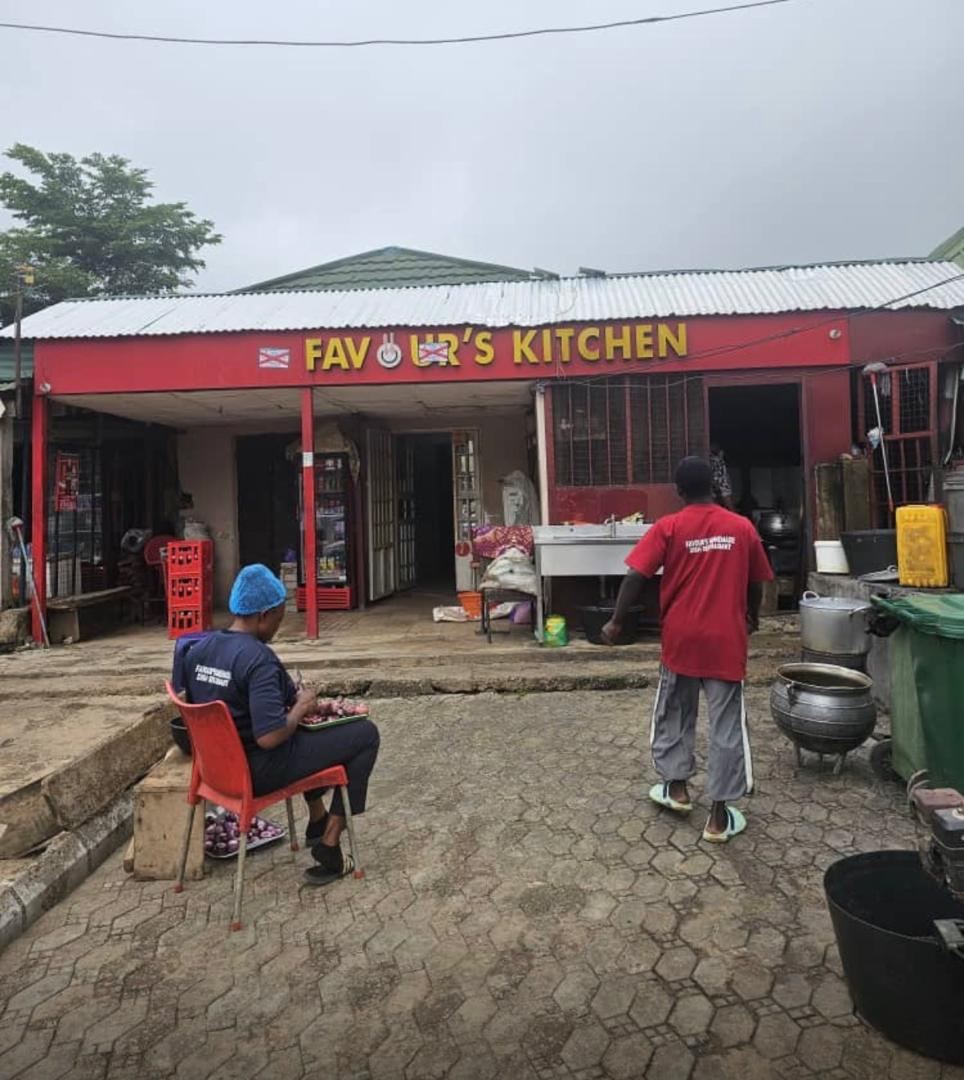
See the fieldworkSOLTECH Hub Project Team · Market discovery, 30 Mar to 30 Jul 2026
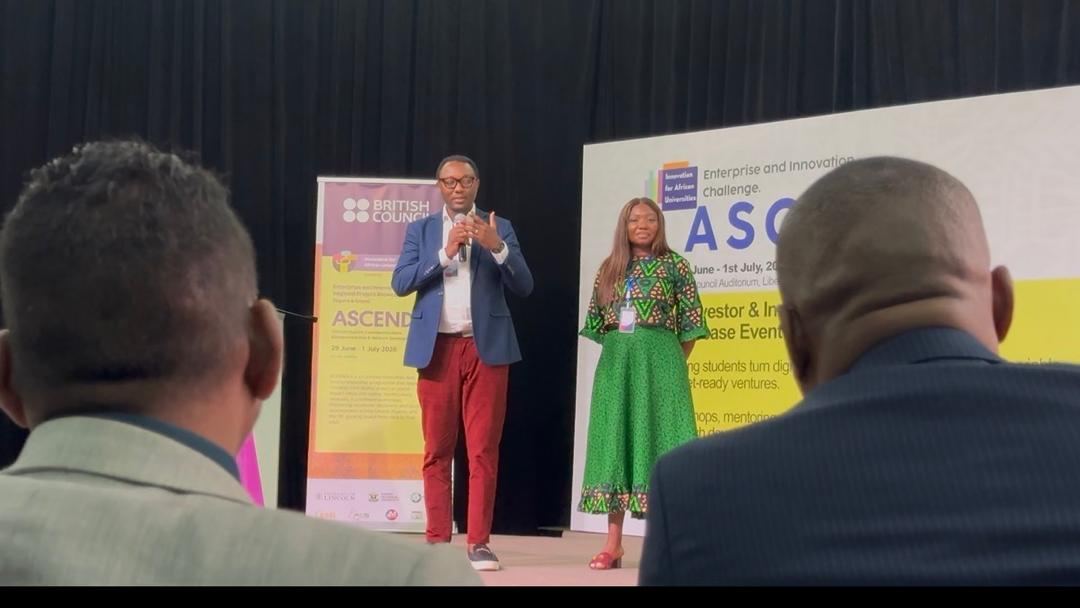
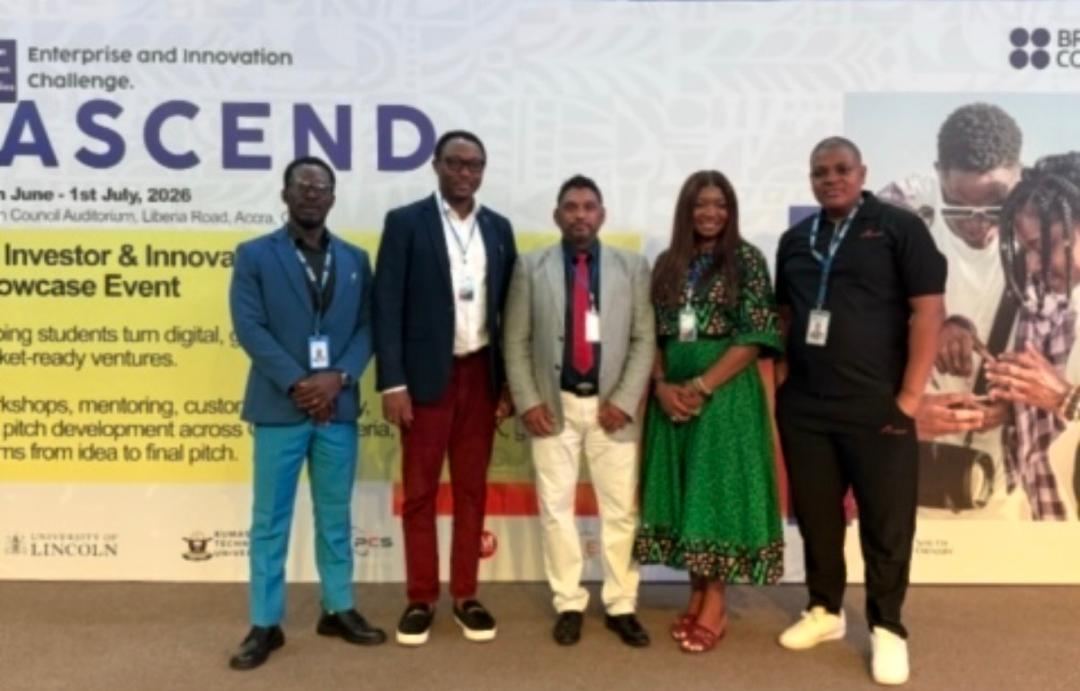
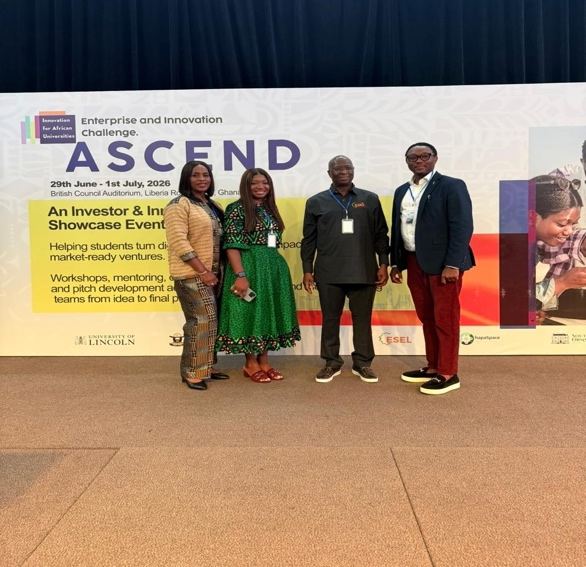
All 21 funded university teams and their industry partners spent three days at the British Council in Accra pitching to investors and stakeholders. Our pitch drew strong questions and good traction, and the ASCEND UK team committed to working with the University of Abuja on future funded projects.
See the photosASCEND Investor & Innovation Showcase · 29 Jun to 1 Jul 2026
Few people in Abuja's markets had heard of the Hub. We are fixing that with regular market visits, word of mouth through the traders already using it, and social media. Fieldwork also overlapped with exams, so the team finished early to give the full nine weeks to market discovery.
See the timelineChallenges from the field · Mid-programme report, August 2026

"We would greatly appreciate it if we can be mentored and supported by our Mentors and the Programme Team after the completion of this IAU ASCEND Programme until our SOLTECH Hub Project becomes commercially viable."
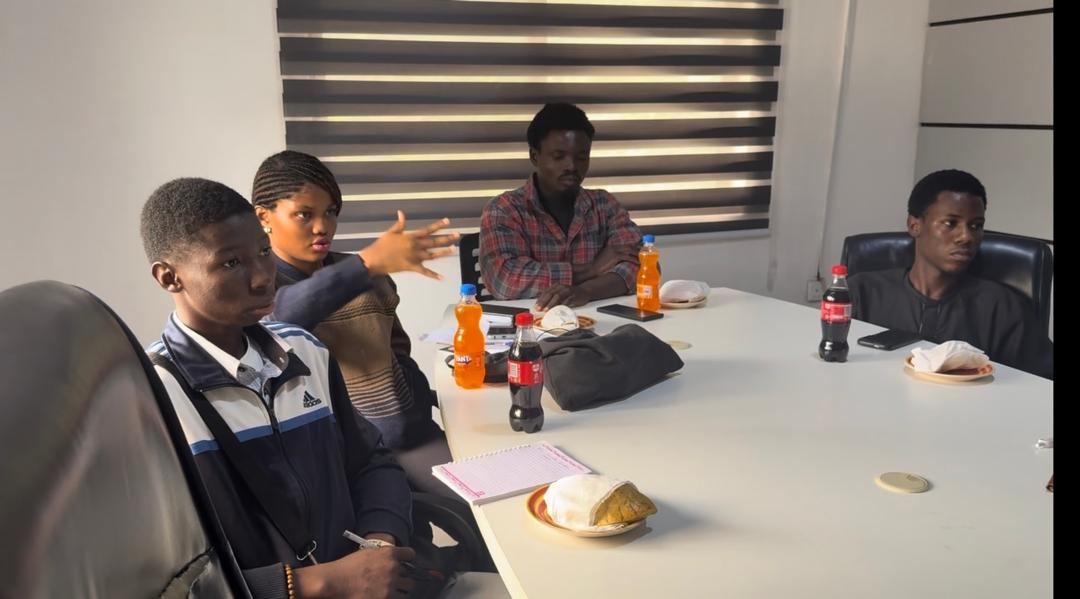
Meet the teamSOLTECH Hub Project Team · Survey response to the programme team
Phase 1 ran from the online bootcamp on 23 March to the end of fieldwork on 30 July. Phase 2, the technical build, started on 3 August.
Five days on the Business Model Canvas, market validation, investor pitching and customer discovery planning.
Field visits to farmers, Garki and other Abuja food markets, and policy stakeholders.
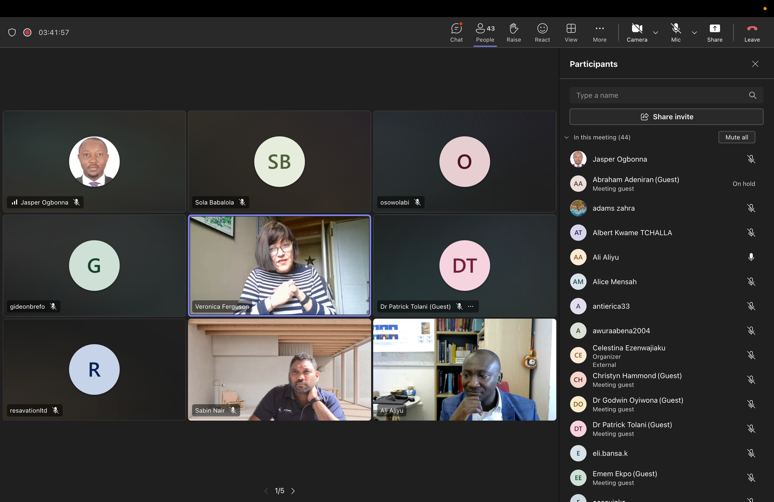
Progress pitch to ASCEND mentors and IAU facilitators, led by the iCURE Programme Coordinator.
Funding strategy, valuation basics and investor readiness.
Nine weeks of questionnaires, onboarding and B2C food-delivery groundwork with Garki Market.
21 university teams pitched to investors and stakeholders at the British Council in Ghana.
Protecting products, technology and brand as the venture grows.
Mobile app, website, humidity sensors and backend integration for the AI-enhanced SOLTECH platform.
Commercial phase planned from November 2026.
Submitted to the University of Abuja and the British Council.
Grow one part of the business model at a time, learning and reskilling as the project matures.
Understanding TAM, SAM, SOM and the ideal customer profile builds investor confidence.
Word of mouth works for subscription models and nearly every other model too.
Raise the value of the service with value propositions customers can measure.
Investors want the problem, the solution, the team's capability and financials known very well.
Understand share classes and control, and use lawyers who know financial risk.
From the online bootcamp and Abuja's markets to the Lion's Den in Accra.
Tell us a little about yourself and what you're interested in: storing produce at the Hub, partnering with us, investing, or bringing SOLTECH to your market.